
Policy & access
Screening rules, coverage, and prevention policy — with jurisdiction labeled clearly.
Every page here follows one idea: what happened, why it matters, and what it does not mean. Educational only — not medical advice.
- COVID-19 vaccination and cancer organizations · 2021ACS Required Staff to Be Vaccinated Against COVID-19 in 2021: What the Policy SaidIn August 2021 the American Cancer Society said all full- and part-time staff must be fully vaccinated against COVID-19 by November 1, 2021. Here is what the policy said, and what it did not.
- Sunscreen, ultraviolet radiation, and skin cancer · 2026FDA Adds Bemotrizinol as a New Sunscreen Ingredient: What It MeansFDA has added bemotrizinol to the permitted US sunscreen ingredients, the first addition since the late 1990s. What changed, and what still matters most.

- Multi-cancer early detection blood tests · 2026FDA Advisers Back a Multi-Cancer Blood Test: What the Vote Does and Does Not MeanAn FDA panel voted 7-2 that Galleri's benefits outweigh its risks, but only 6-4 that it is effective. It is not an approval. Here is what the vote means.
- nonprofit-sector transparency and donor privacy · 2026What Is Donor 'Wealth Screening'? How Some Nonprofits Score Your Net Worth — and What We Pledge Never to DoSome nonprofits run donors through commercial 'wealth screening' tools that estimate net worth from public records to decide who gets asked for bigger gifts. Here's how it works, and our pledge never to use it.

- Federal cancer research funding · 2026NCI Research Funding: Why Budget and Grant Delays Matter to Cancer ProgressFederal cancer research funding supports long-term science, trials, data systems, training, and infrastructure. Effects may unfold over years.

- Financial toxicity · 2026Financial Toxicity Is a Cancer-Care Issue, Not a Personal FailureCancer costs can affect bills, work, treatment access, and quality of life. Early cost conversations and navigation may help.

- Clinical-trial diversity · 2026Diversity in Cancer Clinical Trials: Why Representation Affects the EvidenceCancer trials need participants who reflect the people likely to use a treatment. Representation alone does not solve every access barrier.

- drug shortages · 2026Cancer Drug Shortages This Week: What to AskHow to use FDA drug-shortage information when a cancer medicine is hard to find, with questions for oncology teams, pharmacies, and insurers.

- patient-questions · 2026Cancer Drug Shortages: How Patients Can Read FDA UpdatesFDA shortage pages are useful, but they do not tell an individual patient whether their next infusion will change.

- Cancer nonprofit support and access · 2020American Cancer Society COVID Layoffs: What a 2020 Fundraising Shock Meant for Cancer PatientsIn April 2020, The Cancer Letter reported ACS furloughs and layoffs as COVID-19 disrupted fundraising. Here is what that kind of nonprofit shock can mean for patients, screening, lodging, rides, research, and advocacy.

- Cancer drug access · 2026Cancer Drug Shortages: Why the ASCO and FDA Resource Pages MatterCancer drug shortages can affect treatment planning, especially when older generic medicines are in limited supply. Here is how to read shortage updates and what patients should ask.

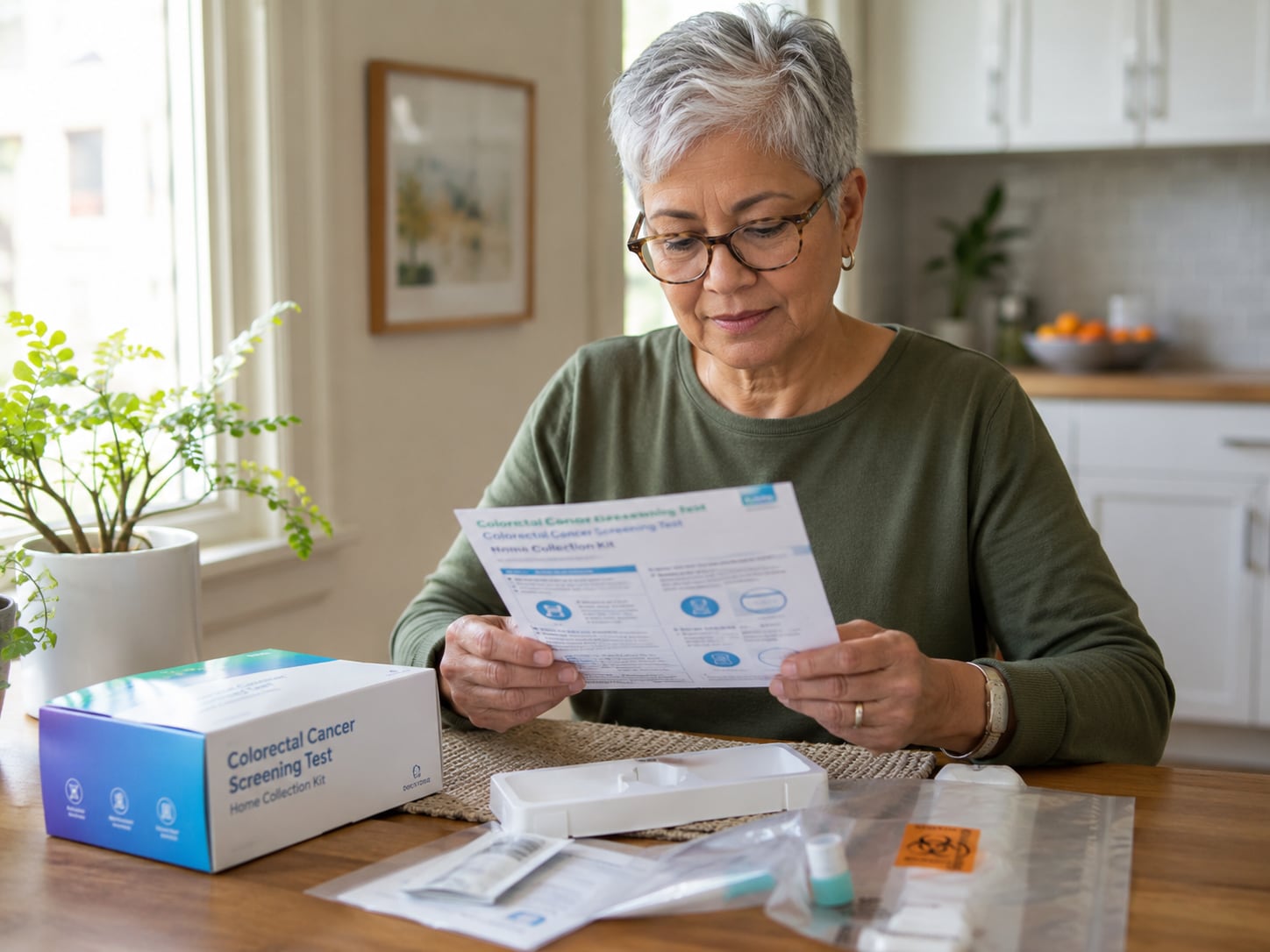
- Colorectal cancer · 2021USPSTF lowers the recommended colorectal-cancer screening age to 45USPSTF lowers the recommended colorectal-cancer screening age to 45 (United States, 2021). What changed, who is affected, and what it does and doesn't mean.
- Breast cancer · 2023USPSTF draft recommends breast screening start at age 40USPSTF draft recommends breast screening start at age 40 (United States, 2023). What changed, who is affected, and what it does and doesn't mean.
- Lung cancer · 2021USPSTF broadens lung-cancer screening eligibilityUSPSTF broadens lung-cancer screening eligibility (United States, 2021). What changed, who is affected, and what it does and doesn't mean.

- Cancer · 2015The WHO lists essential cancer medicinesThe WHO lists essential cancer medicines (International, 2015). What changed, who is affected, and what it does and doesn't mean.
- Cervical cancer · 2020The WHO adopts a global cervical-cancer elimination strategyThe WHO adopts a global cervical-cancer elimination strategy (International, 2020). What changed, who is affected, and what it does and doesn't mean.

- Lung cancer · 1998The Tobacco Master Settlement Agreement is signedThe Tobacco Master Settlement Agreement is signed (United States, 1998). What changed, who is affected, and what it does and doesn't mean.

- Cancer · 1983The Orphan Drug Act incentivizes rare-cancer treatmentsThe Orphan Drug Act incentivizes rare-cancer treatments (United States, 1983). What changed, who is affected, and what it does and doesn't mean.
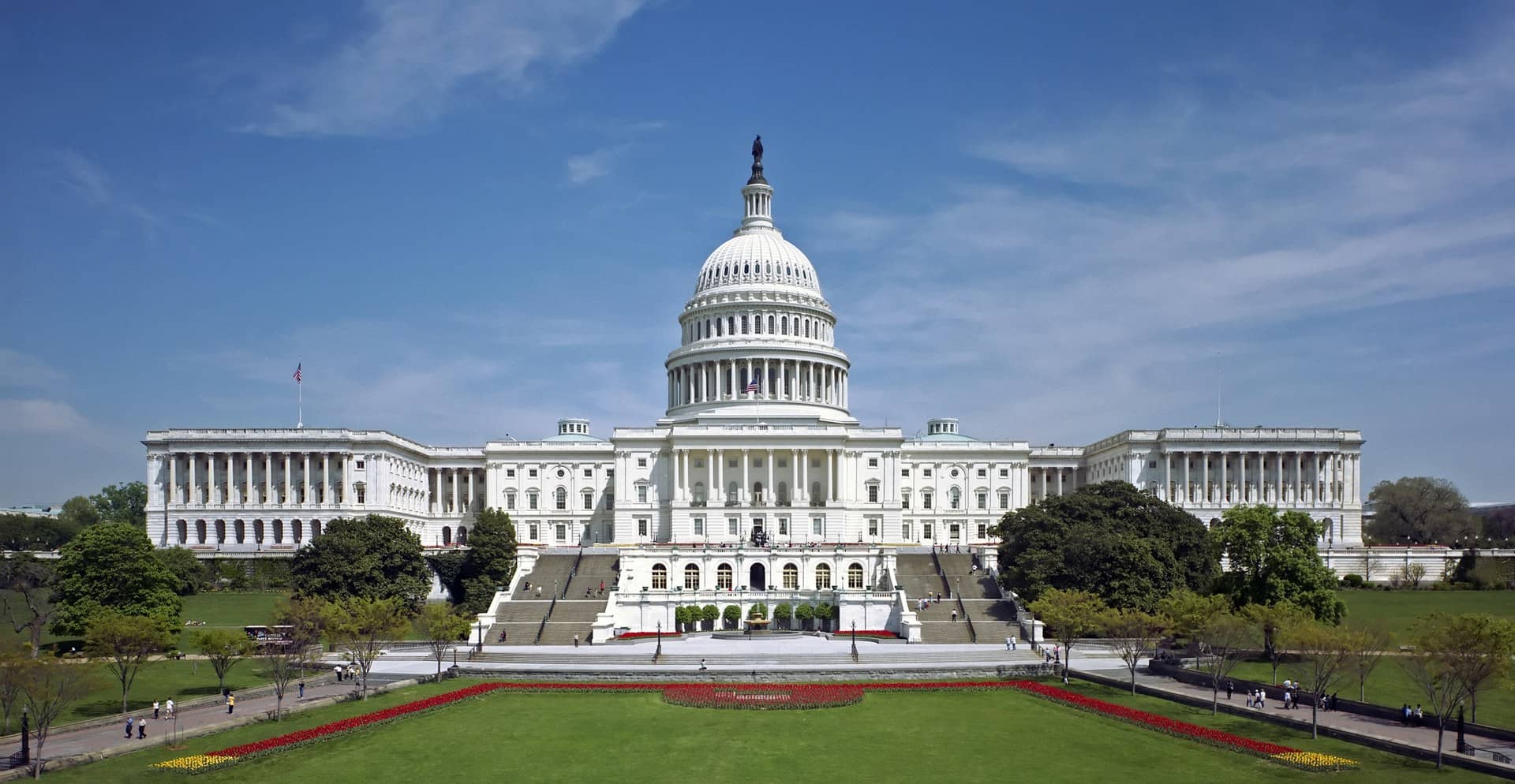
- Cancer · 1971The National Cancer Act launches the U.S. cancer programThe National Cancer Act launches the U.S. cancer program (United States, 1971). What changed, who is affected, and what it does and doesn't mean.
- Cancer · 2022The Inflation Reduction Act allows Medicare to negotiate some drug pricesThe Inflation Reduction Act allows Medicare to negotiate some drug prices (United States, 2022). What changed, who is affected, and what it does and doesn't mean.
- Lung cancer · 2022The FDA moves to ban menthol cigarettesThe FDA moves to ban menthol cigarettes (United States, 2022). What changed, who is affected, and what it does and doesn't mean.

- Lung cancer · 2009The FDA gains authority to regulate tobacco productsThe FDA gains authority to regulate tobacco products (United States, 2009). What changed, who is affected, and what it does and doesn't mean.

- Lung cancer · 2020The FDA finalizes graphic cigarette warning labelsThe FDA finalizes graphic cigarette warning labels (United States, 2020). What changed, who is affected, and what it does and doesn't mean.

- Cervical cancer · 2025The FDA authorizes the first at-home HPV self-collectionThe FDA authorizes the first at-home HPV self-collection (United States, 2025). What changed, who is affected, and what it does and doesn't mean.

- Cancer · 2021The EU adopts Europe's Beating Cancer PlanThe EU adopts Europe's Beating Cancer Plan (European Union, 2021). What changed, who is affected, and what it does and doesn't mean.

- Cancer · 2010The Affordable Care Act requires coverage of recommended cancer screeningsThe Affordable Care Act requires coverage of recommended cancer screenings (United States, 2010). What changed, who is affected, and what it does and doesn't mean.

- Cancer · 2016The 21st Century Cures Act supports the Cancer MoonshotThe 21st Century Cures Act supports the Cancer Moonshot (United States, 2016). What changed, who is affected, and what it does and doesn't mean.
- Cancer · 2018Right to Try legislation is enacted in the United StatesRight to Try legislation is enacted in the United States (United States, 2018). What changed, who is affected, and what it does and doesn't mean.
- Lung cancer · 2015Medicare covers low-dose CT lung-cancer screeningMedicare covers low-dose CT lung-cancer screening (United States, 2015). What changed, who is affected, and what it does and doesn't mean.

- Colorectal cancer · 2015IARC classifies processed meat as carcinogenic to humansIARC classifies processed meat as carcinogenic to humans (International, 2015). What changed, who is affected, and what it does and doesn't mean.

- Lung cancer · 2013IARC classifies outdoor air pollution as a cause of cancerIARC classifies outdoor air pollution as a cause of cancer (International, 2013). What changed, who is affected, and what it does and doesn't mean.

- Lung cancer · 2016England introduces standardized (plain) tobacco packagingEngland introduces standardized (plain) tobacco packaging (United Kingdom, 2016). What changed, who is affected, and what it does and doesn't mean.
- Cancer · 1986What a California Proposition 65 Cancer Warning Actually MeansA Prop 65 warning means a chemical is on California's list and you may be exposed to it. It does not mean the product will give you cancer.

- Cervical cancer · 2018Australia moves toward eliminating cervical cancerAustralia moves toward eliminating cervical cancer (Australia, 2018). What changed, who is affected, and what it does and doesn't mean.






💛 Support free cancer education
Cancer Explained is free for everyone. Donations help us keep creating calm, plain-language explanations based on trusted National Cancer Institute resources.